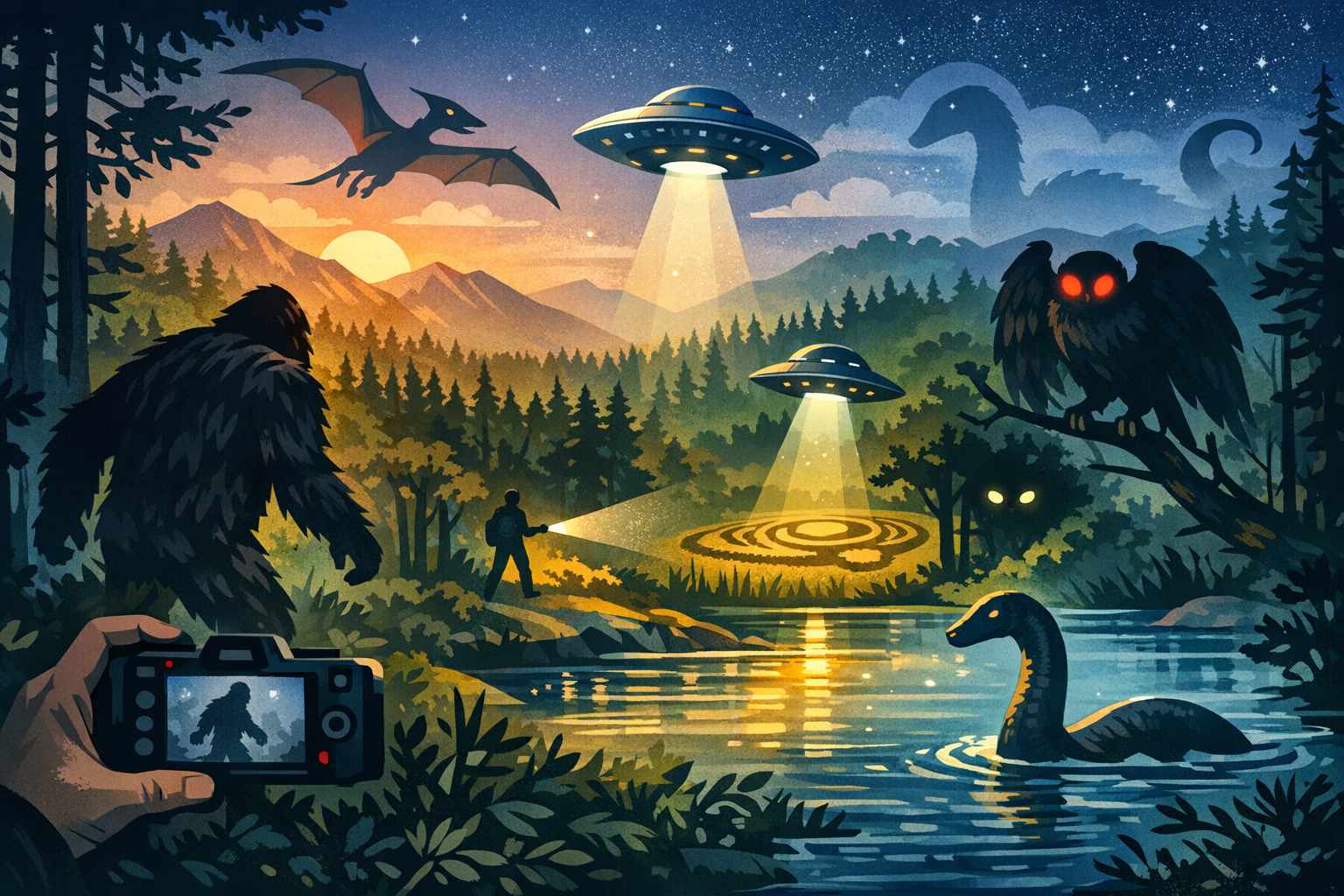
Unraveling the Mysteries of Cryptids
Cryptids, the elusive creatures of legend and lore, have captured human imagination for centuries. From the dense forests of North America to the depths of the Loch Ness, tales of mysterious beings continue to intrigue and baffle both believers and skeptics alike. But what fuels these stories that straddle the line between myth and reality?
The Origins of Cryptids in Folklore
Long before modern science, humans sought explanations for the unexplainable through folklore. These stories often featured creatures that were part-animal, part-supernatural being. For example, the Yeti, rumored to roam the Himalayas, was seen as a spiritual entity by local cultures long before becoming a cryptozoological phenomenon.
Other well-known cryptids, like Bigfoot, have similar origins. The elusive ape-like creature allegedly inhabiting the forests of North America finds its roots in Native American legends. Such tales weren’t merely bedtime stories; they often served as cautionary tales or cultural lessons.
Modern-Day Sightings: Hoax or Reality?
Despite the advances in technology and science, cryptid sightings persist. The famous 1967 Patterson-Gimlin film still serves as the cornerstone for Bigfoot enthusiasts. Even today, blurry photographs and shaky videos continue to surface, reigniting debates about their authenticity.
Take, for instance, the Loch Ness Monster. Reports of this aquatic creature date back to the 6th century. In recent years, sonar readings and inexplicable photographs have kept the legend alive, captivating both tourists and serious researchers. But, are these sightings genuine, or do they stem from a desire to believe in the extraordinary?
The Psychology of Belief
Understanding why people cling to these tales requires delving into the psychology of belief. Humans have a propensity for pattern recognition, often seeing faces or figures where none exist—a phenomenon known as pareidolia. This cognitive bias, coupled with cultural storytelling traditions, can explain why cryptid sightings endure.
Moreover, the communal aspect of belief cannot be underestimated. Shared experiences of spotting cryptids can forge strong social bonds, turning skepticism into collective conviction.
Scientific Endeavors and Skepticism
While folklore and eyewitness accounts fuel public curiosity, science demands evidence. Cryptozoologists, who study these creatures, often employ scientific methods, such as DNA analysis and environmental studies, to search for proof.
Critics argue, however, that the lack of tangible evidence—like bones or verified DNA samples—undermines the existence of these creatures. They point to natural explanations for sightings, such as misidentifications of known animals, optical illusions, or deliberate hoaxes.
The Cultural Impact of Cryptids
Regardless of their existence, cryptids have a significant impact on culture and economics. Regions associated with these creatures often experience a tourism boost, creating a local economy centered around guided tours, themed merchandise, and annual festivals.
Furthermore, cryptids serve as a mirror reflecting human fears and desires. They embody the unknown, challenging our understanding of the world and encouraging exploration and discovery.
Conclusion: The Enigmatic Allure of the Unseen
Cryptids, whether real or imagined, continue to captivate the human spirit. In a world increasingly understood through data and facts, they offer a reminder of the mysteries that remain unexplained. Perhaps it's this very uncertainty that keeps the legend of cryptids alive—an eternal puzzle waiting to be solved.
As long as there is curiosity, the pursuit of cryptids will endure. After all, the allure of the unseen is a powerful force, fueling the endless search for truth hidden in myth.